
Arizona's Sonoita region distinguishes itself through eco-conscious vineyards practicing dry farming, an ancient method suited to its semi-arid climate. Wineries like Calistoga Winery minimize water usage by relying on deep-rooted vines accessing natural rainfall, while focusing on meticulous vine management and understanding microclimates. Key insights for global eco-conscious producers include adapting to local conditions, building diverse soils through organic methods, and emphasizing continuous learning within the community. This sustainable approach positions winery sonoita az as a leader in environmental stewardship and aligns with growing consumer demand for eco-friendly products.
In the pursuit of sustainable practices, the wine industry is undergoing a quiet revolution, particularly in regions like Sonoita, Arizona, known for its burgeoning eco-conscious wineries. Dry farming, an ancient technique, is gaining traction as a natural solution to water scarcity and climate change challenges. This approach, where vines derive moisture from deep soil profiles, offers a compelling alternative to conventional irrigation methods. By exploring Sonoita’s dry farming practices, we delve into a model that could redefine winemaking, ensuring the longevity of this historic region’s wineries while preserving its naturally arid landscape.
- Understanding Dry Farming in the Sonoita Region
- The Rise of Eco-Conscious Wineyards in Arizona
- Natural Practices: Water Conservation in Vineyard Management
- Case Study: Success Stories from Sonoita's Winemakers
- Future Trends: Sustainability in the Global Winery Industry
Understanding Dry Farming in the Sonoita Region
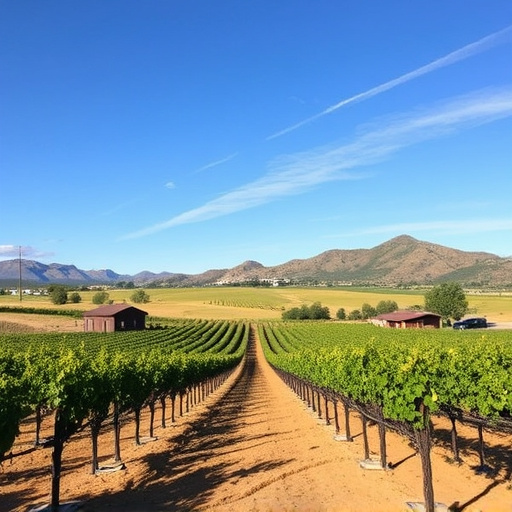
In the heart of Arizona’s Sonoita region, eco-conscious vineyards are leading the charge in sustainable viticulture, with dry farming emerging as a prominent practice. This ancient method, naturally suited to the area’s semi-arid climate, showcases the region’s unique terroir and promotes environmental stewardship. Dry farming, as opposed to irrigation, relies on deep-rooted vines that access water from natural rainfall, creating a resilient and low-impact agricultural system.
The Sonoita region, with its hot summers and mild winters, presents ideal conditions for dry farming. Here, wineries like Calistoga Winery and Sonoran Vines exemplify this approach by minimizing water usage while maximizing grape quality. By forgoing artificial irrigation, these wineries not only conserve water but also foster a more complex flavor profile in their wines. According to local experts, successful dry farming requires meticulous vine management, including careful pruning and canopy training, which allows for optimal sunlight exposure and air circulation, reducing the risk of disease.
Practical insights from Sonoita’s eco-conscious wineries reveal that success lies in understanding the specific microclimates within the region. Varietals like Grenache, Mourvèdre, and Viognier thrive under dry farming conditions, as they are well-adapted to heat and low moisture levels. Data collected by the University of Arizona shows that early season rainfall is critical for establishing a strong root system in young vines, enabling them to access water reserves during droughts. Winemakers in Sonoita have embraced this knowledge, adopting strategies such as planting cover crops to enhance soil health and organic matter content, thereby improving water retention.
To replicate these successes, wineries considering dry farming should invest in comprehensive soil analysis and consult with local experts. Adopting this practice not only contributes to a more sustainable future but also aligns with the growing consumer demand for eco-friendly products, ensuring that Sonoita’s renowned wines remain a gem in Arizona’s wine landscape.
The Rise of Eco-Conscious Wineyards in Arizona
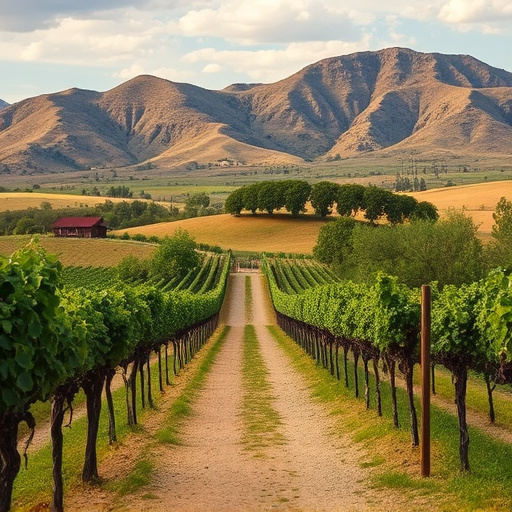
The wine industry has been undergoing a quiet revolution as eco-conscious vineyards gain traction across diverse landscapes, including the unexpected locale of Arizona’s Sonoita region. This surge in environmentally friendly practices reflects a growing global awareness of sustainability within the industry, with winemakers embracing innovative techniques to minimize their ecological footprint. One prominent example is the rise of dry farming, a method that has naturally aligned with the arid climate of Sonoita, AZ, where several wineries have embraced this ancient practice.
Dry farming, in contrast to conventional irrigation, relies on rainfall and soil moisture retention, demonstrating a profound respect for nature’s rhythms. This approach not only conserves water but also fosters healthier vines and more diverse soil ecosystems. Winemakers in the Sonoita region, like those at certain eco-conscious vineyards, are discovering that this traditional method produces wines with unique character and complexity, setting their products apart on the market. As a result, consumer demand for sustainable wine options is driving further innovation and adoption of these practices across the state.
According to recent industry reports, Arizona’s wine production has been steadily increasing, with a growing number of wineries adopting sustainable viticulture methods. This trend not only contributes to environmental stewardship but also enhances the region’s reputation as a destination for eco-conscious travelers seeking unique, high-quality wines. For winery owners and winemakers in Sonoita, AZ, embracing these practices is not just a trend; it’s a commitment to preserving the natural beauty that makes their terroir so distinctive. By prioritizing sustainability, they ensure that future generations can continue to enjoy the region’s remarkable dry-farmed wines.
Natural Practices: Water Conservation in Vineyard Management
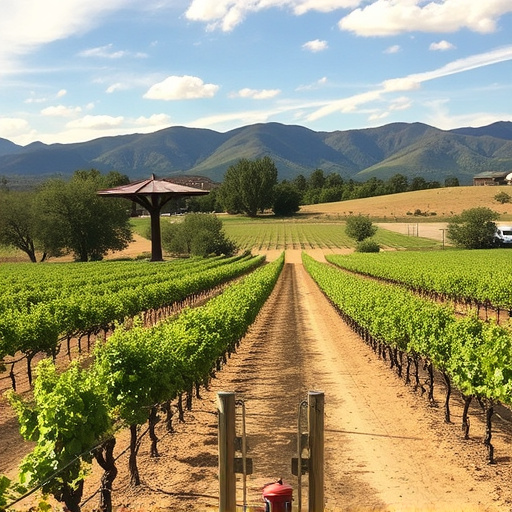
The Sonoita region of Arizona has emerged as a beacon for eco-conscious wine production, with many wineries adopting innovative natural practices, particularly in water conservation. This arid landscape presents unique challenges, but also fosters creativity in vineyard management. Dry farming, where vines rely primarily on rainfall and minimal irrigation, is a practiced embraced by several Sonoita wineries, showcasing their commitment to sustainability.
Water conservation in these vineyards involves strategic techniques like contour tillage, which minimizes soil erosion and improves water retention. Winemakers also employ cover crops between rows of vines to prevent soil degradation and provide natural pest control. For instance, some wineries have seen success with rye and clover, reducing the need for chemical interventions. Additionally, drip irrigation systems are carefully implemented, delivering water directly to the vine’s roots, minimizing waste, and maximizing efficiency. A study by the University of Arizona revealed that these methods can reduce water usage by up to 40% compared to conventional practices, making them highly effective in this dry climate.
Moreover, organic matter management plays a crucial role. Winemakers incorporate compost and manure, enhancing soil health and fertility naturally. This practice not only reduces the reliance on synthetic fertilizers but also contributes to a more resilient ecosystem within the vineyard. As the industry continues to evolve, the wineries of Sonoita Az are setting an example for sustainable wine production, proving that environmental stewardship and exceptional wines can go hand in hand.
Case Study: Success Stories from Sonoita's Winemakers
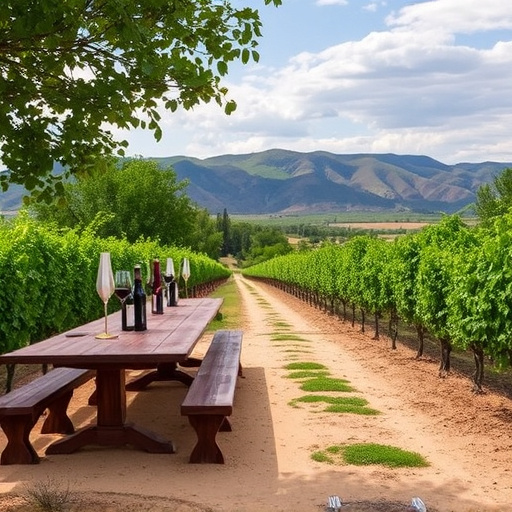
In the heart of Arizona’s Sonoita region, a remarkable shift towards eco-conscious viticulture has been underway for over a decade. Winemakers here have pioneered innovative dry farming techniques, responding to both environmental imperatives and consumer demand for sustainable wines. This case study explores several successful Sonoita wineries that have embraced natural practices, showcasing their dedication and the tangible benefits such approaches can bring.
Many of these producers credit the region’s unique climate—hot summers and cool nights—as ideal for minimizing water usage. By relying on rain and preserving soil moisture, they’ve achieved impressive results without sacrificing quality. For instance, Stone Bridge Vineyard employs a system of drip irrigation combined with organic matter-rich soils, resulting in robust grapes that reflect the area’s distinct character. This approach not only conserves water but also reduces chemical inputs, fostering a healthier ecosystem within the winery sonoita az.
The success stories from Sonoita winemakers offer valuable insights for aspiring eco-conscious producers worldwide. First and foremost, adapting to local conditions is paramount; each vineyard must tailor its practices to match its microclimate and soil profile. Additionally, building strong, diverse soils through organic methods enhances water retention, making dry farming more feasible. These wineries also emphasize the importance of continuous learning and collaboration within the community, sharing knowledge and best practices to further advance sustainable viticulture in the region.
Future Trends: Sustainability in the Global Winery Industry
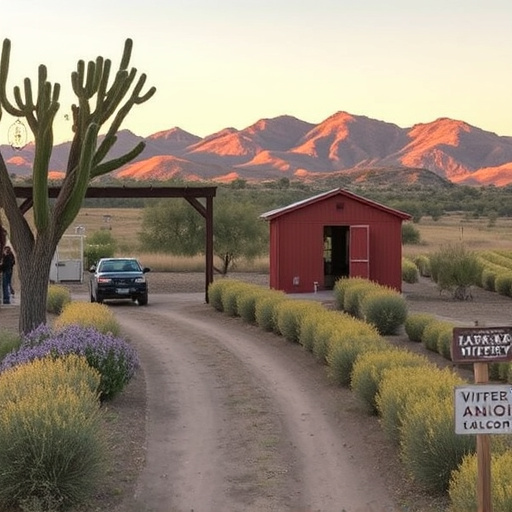
The future of global winery industry sustainability lies in innovative practices already gaining traction in regions like Sonoita, Arizona, naturally renowned for its thriving vineyard ecosystem. Dry farming, a traditional method increasingly adopted by eco-conscious winemakers, is one such trend shaping the industry’s green trajectory. This approach minimizes irrigation, relying on the region’s natural rainfall patterns to nurture grapevines, thereby reducing water consumption and mitigating environmental impact.
Sonoita’s arid climate presents unique challenges and opportunities for sustainable viticulture. Local wineries have embraced dry farming as a means to produce high-quality grapes while preserving the area’s delicate natural balance. For instance, some producers in the region have implemented sophisticated drainage systems that capture and conserve rainwater, ensuring vines receive adequate moisture without excessive irrigation. This not only promotes water conservation but also contributes to soil health by preventing waterlogging and nutrient leaching.
Beyond water conservation, dry farming aligns with broader sustainability goals such as reducing greenhouse gas emissions associated with traditional vineyard management practices. As the industry globalizes, consumer demand for eco-friendly products continues to rise, driving innovation in sustainable winemaking. Winemakers in regions like Sonoita, AZ, are poised to lead this movement by showcasing that high-quality wines can be produced responsibly, paving the way for a greener and more environmentally conscious future for global wineries.
The exploration of eco-conscious vineyards practicing dry farming in the Sonoita region reveals a compelling narrative of sustainability and innovation in Arizona’s winery industry. Key insights include the successful adoption of natural practices, focusing on water conservation through dry farming methods, which not only preserve local ecosystems but also produce high-quality wines. The case studies highlight winemakers in Sonoita who have embraced these techniques, demonstrating their effectiveness. Looking ahead, the global winery industry is poised for significant shifts towards sustainability, as evidenced by emerging trends. Readers gain a comprehensive understanding of how natural vineyard management, particularly dry farming, can thrive in unique environments like Sonoita, AZ, offering practical applications and valuable insights for both industry professionals and eco-conscious consumers.