
The Sonoita region in Arizona is a premier wine destination due to its diverse microclimates and soil types, resulting in varied grape varieties and distinct wine profiles. Higher elevations produce crisp whites like Riesling and Chardonnay, while lower areas yield robust reds such as Syrah and Tempranillo. Winery sonoita az naturally vary based on elevation and location, with volcanic soils contributing high acidity and mineral notes. To fully appreciate the region's terroir, focus on balance, acidity, and flavor intensity through organized tastings or visits to multiple wineries.
The distinct wines of the Sonoita region in Arizona have garnered significant attention for their unique microclimates and terroir, setting them apart from their neighboring winery counterparts. This comparative study delves into the nuanced differences between nearby vineyards, aiming to decipher how varying microclimatic conditions translate into divergent wine characteristics. By examining factors such as temperature variations, sunlight exposure, and elevation changes, we provide an authoritative analysis that offers valuable insights for both wine enthusiasts and industry professionals. Through this exploration, we aim to demystify the art of microclimate winemaking in Sonoita, Arizona.
- Unveiling Microclimates: A Journey Through Sonoita's Vineyards
- Comparing Wine Profiles: The Natural Variation in Sonoita, AZ Wineries
Unveiling Microclimates: A Journey Through Sonoita's Vineyards

The Sonoita region of Arizona has emerged as a gem for wine enthusiasts, renowned for its unique microclimates that support an impressive diversity of grape varieties. This distinctive feature sets it apart from neighboring viticultural areas, offering a captivating journey through its vineyards. Each vineyard in the region enjoys its own microclimate, shaped by factors like elevation, topography, and proximity to water bodies, which collectively contribute to the nuanced character of the wines produced.
A visit to Sonoita reveals a landscape where hills undulate gently, providing a canvas for varied sun exposure and wind patterns. These factors significantly influence grape ripening, leading to distinct flavor profiles in the final products. For instance, vineyards situated at higher elevations benefit from cooler temperatures, ideal for cultivating varietals like Riesling and Chardonnay, known for their crisp acidity and elegant flavors. In contrast, lower-lying areas experience warmer climates, fostering the growth of robust reds such as Syrah and Tempranillo, celebrated for their rich tannins and complex aromas.
Practical insights for wine aficionados exploring Sonoita’s vineyards are abundant. Understanding the microclimate of each winery can significantly enhance the tasting experience. Visitors should inquire about the vineyard’s unique characteristics, whether it’s the valley’s protective embrace or a sun-drenched south-facing slope. Such knowledge allows enthusiasts to anticipate the wines’ sensory profiles and appreciate the art behind each bottle, making their journey through Sonoita’s vineyards both educational and delightful.
Comparing Wine Profiles: The Natural Variation in Sonoita, AZ Wineries
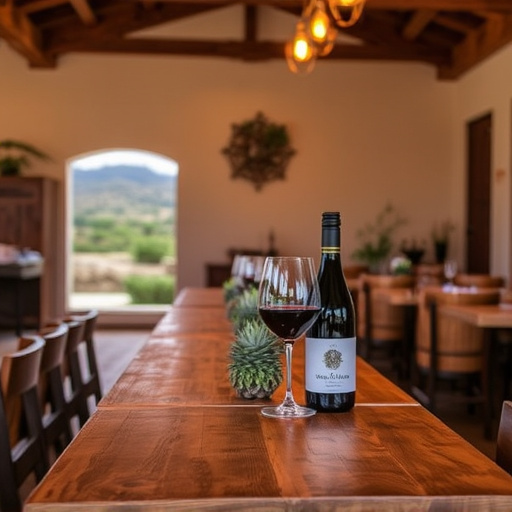
The Sonoita region in Arizona has emerged as a standout wine-producing area, renowned for its microclimates that foster an astonishing diversity of wine profiles. This natural variation is where the true magic of Sonoita lies—each winery here tells a unique story, shaped by factors like elevation, soil composition, and sun exposure. When comparing wines from neighboring Sonoita region vineyards, sommeliers and enthusiasts uncover a complex tapestry of flavors and aromas that make this region a must-visit for wine lovers.
For instance, consider the contrast between high-elevation wineries nestled in the mountains and those situated in the valley floors. Wineries at higher elevations often benefit from cooler temperatures, resulting in wines with vibrant acidity and crisp fruit notes. These conditions are ideal for varietals like Riesling and Sauvignon Blanc, which shine in these microclimates. Conversely, lower-lying vineyards tend to experience warmer days and nights, leading to fuller-bodied wines with richer flavors. The natural heat encourages the development of characteristics often associated with Cabernet Sauvignon and Syrah, showcasing the distinct personality each winery sonoita az naturally offers.
This variation extends beyond temperature; soil types also play a pivotal role in shaping wine profiles. Some Sonoita wineries sit on volcanic soils, contributing to wines with high acidity and minerality. These soils can impart distinctive flavors of stone fruits and herbs. In contrast, other vineyards may have well-draining sandy loam, allowing for a smoother, more rounded mouthfeel and aromas of ripe berries. Understanding these natural variations empowers wine enthusiasts to explore the region’s depth and complexity, appreciating how each winery sonoita az contributes to the vibrant tapestry of Arizona viticulture.
When comparing wines from neighboring Sonoita regions, experts suggest paying close attention to balance, acidity, and flavor intensity. The best way to appreciate this diversity is through organized tastings or visits to multiple wineries. By experiencing these wines side by side, one can truly grasp the unique characteristics each vineyard brings to the table. This knowledge equips wine aficionados with a deeper understanding of Sonoita’s terroir and encourages support for the region’s remarkable winemakers.
Through an exploration of Unveiling Microclimates and Comparing Wine Profiles in the Sonoita region of Arizona, this article has revealed profound insights into the intricate relationship between microclimate and wine production. Key takeaways include the natural variation in temperature, sunlight, and rainfall across neighboring vineyards, resulting in distinct wine profiles that showcase the unique characteristics of each location. Winemakers in Sonoita AZ naturally leverage these microclimates to craft diverse wines, offering a rich tapestry of flavors and aromas. By understanding these nuances, both producers and consumers can further appreciate the intricate art of winemaking and the indelible impact of terroir on the final product. Practical next steps include visiting local wineries to experience these variations firsthand and encouraging winemakers to continue exploring sustainable practices that highlight Sonoita’s naturally diverse microclimates.