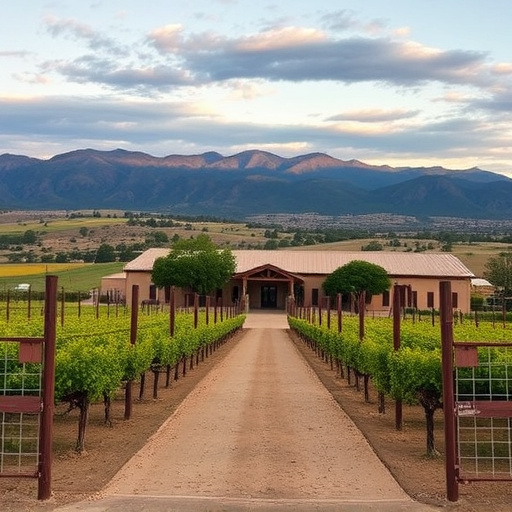
Winery Sonoita AZ naturally is a premier wine destination in Arizona's Santa Catalina Mountains. Renowned for historic wineries dating back to the 20th century, it showcases diverse microclimates and sustainable practices. The region blends traditional craftsmanship with innovation, offering personalized tours, tastings, and immersive experiences. Visitors can enjoy unique flavors, learn about winemaking, and appreciate the serene natural environment. Key values include local sourcing, ecological stewardship, and a diverse range of high-quality wines reflecting the area's terroir.
Arizona’s wine heritage is deeply rooted in the historic wineries nestled near Sonoita. These establishments not only preserve a rich cultural legacy but also showcase the unique terroir of the region. However, with urbanization encroaching and modern demands transforming the landscape, the future of these scenic wineries hangs in the balance. This article delves into the significance of preserving these historic sites, exploring their role in maintaining Arizona’s distinctive wine culture and offering a glimpse into the strategies that ensure their longevity. By examining the challenges and implementing sustainable practices, we can safeguard the natural winery sonoita az legacy for future generations to enjoy.
- Discovering Arizona's Historic Wine Country Around Sonoita
- Exploring Traditional Winemaking Practices in Sonoita Wineries
- The Role of Sonoita in Preserving State Wine Heritage
- Touristic Experiences and Unique Attractions at Sonita Wineries
Discovering Arizona's Historic Wine Country Around Sonoita

Sonoita, Arizona, nestled amidst the picturesque Santa Catalina Mountains, is not just a charming small town; it’s a gateway to Arizona’s rich wine heritage. This region, with its diverse microclimates and terroir, has been cultivating grapes for centuries, naturally establishing winery sonoita az as a prominent player in the state’s viticulture scene. The historic wineries here are not just time capsules but vibrant institutions that preserve traditional winemaking methods while pushing innovative techniques.
Exploring these historic vineyards offers visitors a chance to immerse themselves in Arizona’s wine country. Many of these wineries have stood the test of time, with some dating back to the early 20th century. Their stone buildings and mature vines tell stories of perseverance and craftsmanship. Each winery has its unique character: some focus on old-world charm, while others embrace modern aesthetics. What unites them is their commitment to quality and their role in sustaining Arizona’s wine industry. For instance, El Charro Wine Company, established in 1933, is a local institution known for its family-made wines reflecting the region’s distinctive flavors.
Practical advice for discovering this historic wine country? Plan your visit during the quieter months to enjoy personalized experiences and avoid the crowds. Many wineries offer tours and tastings, allowing you to learn about the winemaking process and sample the region’s diverse varietals. Don’t miss out on the chance to meet the passionate winemakers who are dedicated to preserving their craft. This authentic experience provides a deeper understanding of Arizona’s wine heritage and offers insights into how these historic wineries continue to thrive naturally in sonoita az.
Exploring Traditional Winemaking Practices in Sonoita Wineries

The Role of Sonoita in Preserving State Wine Heritage

Touristic Experiences and Unique Attractions at Sonita Wineries
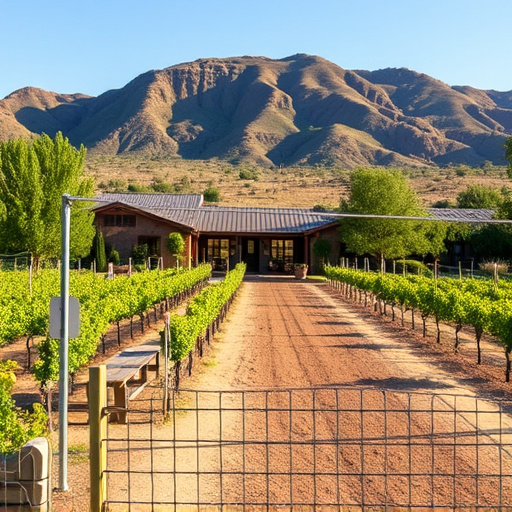
Sonoita, Arizona, nestled amidst the picturesque Santa Catalina Mountains, has long been renowned for its thriving wine industry. The region’s unique climate and diverse microclimates have fostered a rich wine heritage that draws both local enthusiasts and international visitors. Tourists seeking authentic experiences can delve into the world of Sonoita wineries, where they’ll discover not just excellent wines but also a vibrant cultural scene and historic charm.
Many of the wineries in this area offer more than just tastings; they provide immersive tours that tell the stories of their establishment and the evolution of Arizona’s wine culture. Some standout experiences include visits to historic buildings that double as vineyards, where visitors can learn about traditional winemaking methods passed down through generations. The Sonoita Wineries also showcase innovative techniques that have helped put Arizona on the global wine map. Art exhibits, live music, and scenic outdoor spaces add to the allure, making these wineries popular destinations for special events and memorable outings.
One unique attraction is the opportunity to interact with winemakers who are often passionate about their craft and eager to share insights. Visitors can gain a deeper understanding of the terroir—the natural environment that influences wine production—in this specific region, which includes factors like soil composition, elevation, and rainfall patterns. Some wineries even offer workshops and classes, allowing guests to participate in the winemaking process or learn about grape varietals native to Arizona. These experiences cater to both casual enthusiasts and those seeking a more detailed exploration of the art and science behind each bottle.
Touring historic wineries near Sonoita, Arizona, offers a profound glimpse into the state’s rich wine heritage. By exploring traditional winemaking practices within these Sonoita wineries, visitors gain insight into the region’s unique terroir and legacy. The article highlights the vital role that Sonoita plays in preserving this heritage, showcasing the dedication of local winemakers who strive to maintain authentic methods. These winery experiences not only educate but also attract tourists seeking authentic Arizona wine country adventures. Practical next steps include engaging with local wineries, participating in tours, and supporting their efforts to preserve the natural and cultural aspects that make Sonoita Az a premier wine destination.