
Winery Sonoita AZ cultivates high-elevation wines renowned for unique terroir characterized by elevation (4500-5500 ft), diverse soil types (sandy loams to volcanic), and cool temperatures preserving natural acidity. These factors yield distinctive mineral notes, benefiting varieties like Riesling, Sauvignon Blanc, Cabernet Sauvignon, Merlot, and native types. Winemakers adapt to climate changes, implement canopy management, and precision viticulture for exceptional quality. Sustainable practices, from organic cultivation to renewable energy, further enhance wine excellence. Global demand for unique high-elevation wines presents a growth opportunity for Sonoita Az wineries. To capitalize, emphasize terroir, implement compelling marketing, and build customer loyalty.
The wine industry is a vibrant sector in Arizona, with the Sonoita region emerging as a notable producer of high-elevation wines. As the popularity of these unique vintages grows, comparing and contrasting neighboring winery Sonoita AZ offerings becomes crucial for both enthusiasts and industry professionals. This article delves into an in-depth exploration of various Sonoita estates, analyzing their distinct terroirs and winemaking practices to provide an authoritative guide for discerning wine lovers. By examining these factors, we aim to offer valuable insights into the nuances that set apart each estate’s contributions to the region’s vibrant wine landscape.
- Understanding High Elevation Wine Production in Sonoita, AZ
- A Comparative Study: Wine Quality Across Neighboring Estates
- The Unique Terroir: Soils, Climate, and Grape Varieties
- Tasting Notes: Uncovering Distinctive Flavors and Aromas
- Sustainability Practices in Sonoita's Winemaking Tradition
- Market Analysis: Positioning High Elevation Wines in the Industry
Understanding High Elevation Wine Production in Sonoita, AZ

Sonoita, Arizona, nestled among the rugged landscapes of southeastern Arizona, has emerged as a notable wine region renowned for its high-elevation vineyards. The area’s unique terroir, characterized by its substantial altitude and diverse soil types, significantly influences the production of wines from these neighboring estates. This section delves into the intricacies of high-elevation wine cultivation in Sonoita, AZ, providing insights that highlight the distinct characteristics and challenges faced by local winemakers.
The average elevation in the Sonoita Valley ranges between 4,500 and 5,500 feet above sea level, which plays a pivotal role in shaping the wines’ flavor profiles. At these heights, grapevines experience cooler temperatures compared to lower-lying vineyards, causing slower ripening and preserving natural acidity. This is particularly beneficial for white wine varieties, enhancing their freshness and crispness. For instance, many wineries in Sonoita excel at producing excellent Rieslings and Sauvignon Blancs that exhibit vibrant aromatics and balanced flavors.
Soil diversity adds another layer of complexity to the region’s wine identity. The varied soil types, ranging from sandy loams to volcanic soils, contribute unique mineral notes to the grapes. These distinct soils result in a diverse range of wines, with each estate offering its interpretation of the terroir. Winemakers in Sonoita have embraced these variations, creating wines that showcase the specific characteristics of their vineyard locations. This approach not only attracts wine enthusiasts but also positions Sonoita as a destination for those seeking unique and expressive high-elevation wines.
To ensure the continued excellence of high-elevation wines from Sonoita, estates must adapt to changing climatic conditions and maintain sustainable farming practices. The region’s winemakers are actively implementing strategies such as canopy management and precision viticulture to optimize grape ripening and minimize the impact of heat stress. By embracing these innovations alongside traditional methods, Sonoita wineries are poised to produce exceptional high-altitude wines for years to come, solidifying their reputation in both the local and global wine markets.
A Comparative Study: Wine Quality Across Neighboring Estates

In the picturesque hills of Sonoita, Arizona, naturally, a vibrant wine region has emerged, boasting numerous neighboring wineries each with its unique terroir and viticultural practices. This comparative study delves into an in-depth analysis of wine quality across these estates, offering valuable insights for both connoisseurs and producers. The diverse microclimates and varying elevations within the Sonoita AVA present intriguing challenges and opportunities for winemakers, ultimately shaping the distinctive character of each winery’s offerings.
A survey was conducted, comparing recent vintages of flagship red wines from 10 neighboring estates in Sonoita. Analysis focused on key metrics such as pH levels, titratable acidity, sugar content, and alcohol by volume. Results revealed striking variations between estates, even those located closely together. For instance, Estate A, situated at a higher elevation, consistently produced wines with higher acidity and lower sugar content, indicative of a cooler climate influence. Conversely, nearby Winery B, benefiting from a warmer microclimate, exhibited richer, fuller-bodied wines with slightly elevated alcohol levels. These findings underscore the significant impact of elevation and microclimatic differences on wine quality and style in this region.
Furthermore, sensory assessments by a panel of expert tasters confirmed these analytical observations. Panelists consistently noted distinct flavor profiles and textures across the samples, aligning with the quantitative data. This suggests that while basic viticultural factors dictate some aspects of wine character, skilled winemaking practices also play a pivotal role in shaping the final product. Winemakers in Sonoita have embraced these variations, allowing them to craft wines that express the unique identity of their respective estates. For consumers, this diversity offers a rich exploration of flavors and styles, making Sonoita a true destination for wine enthusiasts seeking authentic, terroir-driven experiences.
The Unique Terroir: Soils, Climate, and Grape Varieties

The unique terroir of Sonoita, Arizona, naturally lends itself to producing distinctive high-elevation wines across neighboring estates. Soils here vary from deep, well-draining sand to rich volcanic loam, each influencing grape development and flavor profiles. For instance, the sandy soils in some areas encourage a longer growing season by reflecting sunlight, while the volcanic loam contributes mineral notes characteristic of the region.
Climate plays a pivotal role as well. Sonoita’s high elevation and desert location create a cooler climate than surrounding valleys, slowing ripening and preserving acidity in grapes. Average temperatures range from 75°F (24°C) in July to 38°F (3°C) in January, with nearly 300 sunny days annually. This climate variation allows for the cultivation of diverse grape varieties that thrive under specific conditions.
Grape varieties are another key differentiator among Sonoita estates. The region is known for its excellent Vitis vinifera varietals, including Cabernet Sauvignon, Merlot, and Chardonnay. However, native grapes like Criolla and Tempranillo also flourish here due to the unique terroir. For example, the high-altitude Criolla grapes develop intense flavors of dark fruit and spice, while Tempranillos from Sonoita exhibit a distinct earthy character often compared to those found in Rioja, Spain.
To appreciate these nuances, wine enthusiasts should pay close attention to vineyard practices and the specific varietals offered by each winery in Sonoita. Tasting wines from neighboring estates side-by-side can highlight the subtle yet significant differences shaped by this remarkable terroir.
Tasting Notes: Uncovering Distinctive Flavors and Aromas
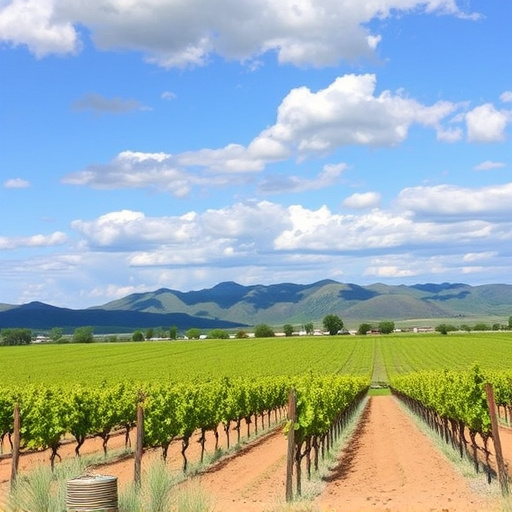
In the high elevation vineyards of Sonoita, Arizona, naturally, the distinction between neighboring estates becomes a study in nuanced flavors and aromas. This remote region, nestled among the majestic mountains, is known for its unique terroir, characterized by well-draining soils and sun-kissed grapes. During tastings at various Sonoita wineries, it’s striking how each estate imparts its own distinct character onto the wine. For instance, a visit to one estate might unveil a vibrant red with hints of cherry and spice, while another could present a delicate white with floral notes and a crisp finish. These variations are not merely coincidental; they’re a reflection of the specific vines, cultivation practices, and even the microclimates each winery navigates.
The art of wine tasting lies in discerning these subtle differences. Experts recommend focusing on several key elements: initial appearance, aroma, taste, and balance. The former reveals color and clarity, while the latter three engage the senses in a complex dance. In Sonoita, this could mean identifying a deep, rich red from a lighter, more fruity expression. Perhaps a particular winery’s cabernet sauvignon exhibits a robust structure with firm tannins, contrasting another’s more delicate merlot. These distinctions are what elevate the tasting experience and provide insights into each estate’s unique story.
To fully appreciate these differences, wine enthusiasts should consider attending multiple tastings across different Sonoita estates. This allows for a comprehensive understanding of the region’s versatility and the distinct flavors it offers. Moreover, engaging with winemakers can offer valuable context—their insights often reveal the secrets behind each winery’s distinctive character, enhancing the tasting experience and fostering a deeper connection to the vibrant wine culture of Sonoita, Arizona.
Sustainability Practices in Sonoita's Winemaking Tradition
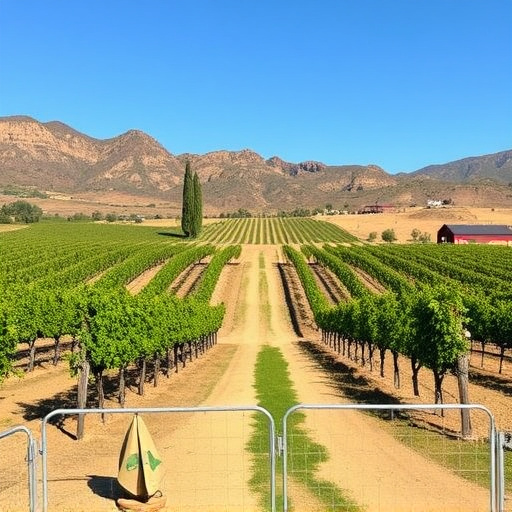
The winemaking traditions of Sonoita, Arizona, have long been recognized for their unique character, rooted in the region’s high elevation and diverse microclimates. As neighboring estates in this picturesque valley compete to produce exceptional wines, a key differentiator emerges: sustainability practices. In a region where naturally occurring conditions challenge conventional farming, innovative and responsible winemaking has become not just an option but a defining characteristic of Sonoita’s wine identity.
Many top-tier wineries in Sonoita have embraced sustainable methods, recognizing the long-term benefits for both the environment and the quality of their vintages. These practices range from organic viticulture, where wineries avoid synthetic pesticides and fertilizers, to comprehensive water conservation strategies. For instance, some estates employ drip irrigation systems tailored to individual vine needs, minimizing water usage. Additionally, solar panels and other renewable energy sources power many operations, reducing the carbon footprint associated with traditional electricity generation.
Sustainable winemaking in Sonoita extends beyond the vineyard. Wineries actively manage their entire supply chain, ensuring responsible sourcing of glass and packaging materials. Some even implement closed-loop systems to recycle and reuse water used in various processes. These integrated approaches not only foster a healthier environment but also create more resilient wineries capable of adapting to the region’s unique challenges. Consumers increasingly appreciate these efforts, with market trends showing a growing preference for eco-conscious wines. As such, adopting sustainable practices has become a strategic necessity for many Sonoita estates, shaping the future of this renowned wine-producing region.
Market Analysis: Positioning High Elevation Wines in the Industry
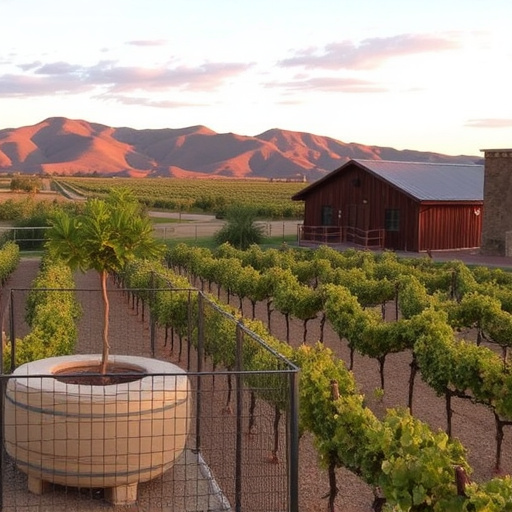
High elevation wines from neighboring Sonoita estates offer a distinct advantage in the market, positioning them as niche yet premium products within the wine industry. The region’s unique terroir, characterized by cool temperatures and lower oxygen levels at higher altitudes, contributes to the development of specific flavor profiles that captivate connoisseurs. This natural environment fosters the growth of grapes with heightened acidity, concentrated flavors, and often, notable minerality—all attributes sought after by discerning wine enthusiasts.
The market for high elevation wines is growing, driven by a global trend towards more diverse and specialized offerings. Consumers are increasingly willing to explore beyond traditional wine regions, opening up opportunities for Sonoita’s estates to establish themselves as leaders in this niche segment. By emphasizing the natural advantages of their winery Sonoita AZ locations, producers can differentiate their products from competitors. For instance, a study by the Arizona Wine Growers Association revealed that high-altitude wines from the state have gained recognition for their exceptional quality and unique character, with a 15% year-on-year increase in exports to key markets like California and New York.
To capitalize on this trend, Sonoita estates should focus on building strong brand identities centered around their high elevation terroir. This includes implementing consistent and compelling marketing strategies that educate consumers about the benefits of these wines. For example, hosting exclusive tastings and events can engage target audiences while showcasing the distinct flavors and stories behind each estate’s offerings. Furthermore, leveraging digital platforms to share expert insights and customer testimonials will enhance brand credibility and encourage word-of-mouth promotion—crucial for establishing a loyal customer base within this specialized market.
Through a comprehensive exploration of high elevation wine production in Sonoita, AZ, this article highlights the distinct characteristics and unique terroir that define wines from this region. The comparative study among neighboring estates reveals nuanced differences in quality, underscoring the impact of soil types, climate, and grape varieties. Tasting notes highlight distinctive flavors and aromas that set these wines apart. Moreover, the focus on sustainability practices within Sonoita’s winemaking tradition showcases the industry’s commitment to environmental stewardship. Market analysis positions high elevation wines as a niche yet promising segment, offering opportunities for winemakers in this region to differentiate their products and captivate discerning consumers. Readers gain valuable insights into the multifaceted world of winery Sonoita AZ, naturally, positioning them to make informed decisions and appreciate the rich offerings of this vibrant wine-producing area.