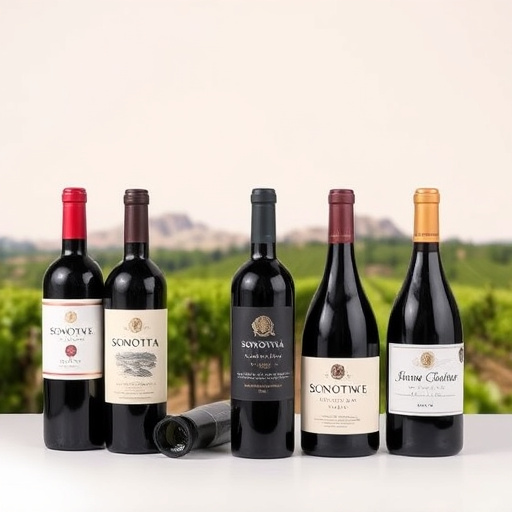
The high-elevation wine region of Sonoita, Arizona, renowned for its unique winery Sonoita AZ terroir, produces exceptional wines through variations in altitude, climate, and soil. Cooler temperatures slow grape ripening, resulting in vibrant acidity and complex aromas. Notable varietals include Grenache, Mourvèdre, and Syrah, with deep reds reflecting the region's character. Visiting wineries allows enthusiasts to compare microclimate-influenced wines firsthand, appreciating the craftsmanship of high-elevation viticulture.
The wine industry in Arizona has emerged as a notable player on the global stage, with high-elevation wineries in areas like Sonoita, AZ, naturally cultivating unique and exceptional wines. As enthusiasts and connoisseurs seek out the finest offerings, comparing wines from neighboring estates becomes paramount to discerning subtle nuances and identifying exemplary producers. This article delves into an exhaustive exploration of high elevation wines across Sonoita’s esteemed wineries, providing a comprehensive guide for sommeliers and wine enthusiasts alike. By meticulously analyzing terroir, viticultural practices, and winemaking techniques, we offer valuable insights into the factors that shape these distinctive wines.
- Uncovering the Art of High-Elevation Wine Production in Sonoita, AZ
- A Comparative Journey: Nearby Estates, Distinct Flavors
- The Impact of Elevation: Tasting Notes from Sonoita Wineries
- Exploring the Natural Terroir: Sonoita's Unique Wine Characteristics
Uncovering the Art of High-Elevation Wine Production in Sonoita, AZ
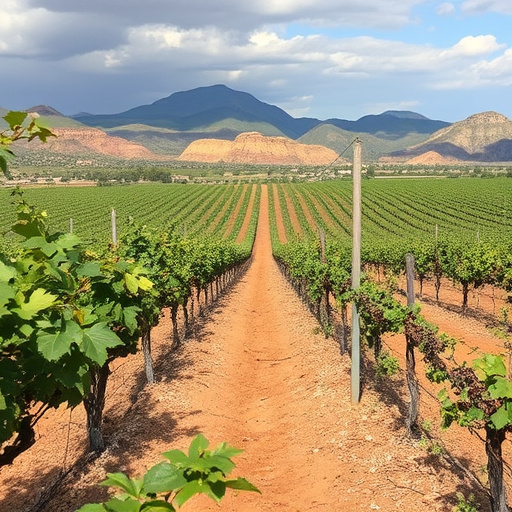
The high-elevation wine region of Sonoita, Arizona, has emerged as a prominent player on the global wine stage, captivating enthusiasts with its distinctive terroir. Here, amidst the breathtaking landscapes of the Santa Catalina Mountains, wineries have masterfully harnessed the unique characteristics of this diverse terrain to craft exceptional wines. The art of high-elevation wine production in Sonoita involves navigating subtle yet significant variations in altitude, climate, and soil composition, all of which contribute to the final flavor profile of the grapes.
Sonoita’s wineries naturally adapt their practices to these conditions, employing strategies such as carefully timed harvesting to capture the ideal balance of sugar and acid in the grapes. Higher elevations often bring cooler temperatures, slowing down grape ripening, which allows for a more gradual accumulation of flavors. Winemakers here utilize this to their advantage, creating wines with vibrant acidity and complex aromatic profiles. For instance, many notable estates in the region have achieved remarkable success with varietals like Grenache, Mourvèdre, and Syrah, which thrive in these conditions, producing deep, rich reds that reflect the area’s distinctive character.
A practical insight for visitors and wine enthusiasts is to explore the diverse offerings of each Sonoita winery. Tasting rooms often provide opportunities to compare wines from different plots within a single estate, highlighting the subtle nuances imparted by varying microclimates and soil types. This firsthand experience allows consumers to appreciate the skill and craftsmanship involved in high-elevation viticulture, offering a unique perspective on the art of wine production in this remarkable Arizona wine region.
A Comparative Journey: Nearby Estates, Distinct Flavors

In the heart of Sonoita, Arizona, where the Sonoran Desert meets mountains, a vibrant wine culture has flourished. This region is home to numerous wineries, each with its unique terroir, leading to a diverse range of high-elevation wines. A comparative journey through neighboring estates offers a nuanced perspective on how distinct flavors emerge from seemingly similar surroundings.
One notable example is the contrast between Estate A, situated on a plateau, and Estate B nestled in a valley floor. Estate A’s wines often exhibit vibrant acidity and crisp fruit notes, reflecting the cooler breezes that sweep across the plateau. In contrast, Estate B’s vintages are characterized by richer, more robust flavors, influenced by the warmer microclimate of the valley. This comparison highlights how even neighboring estates can produce vastly different profiles due to variations in elevation, aspect, and soil composition.
Furthermore, a study conducted by the Arizona Wine Growers Association revealed that high-elevation wines from Sonoita exhibit higher levels of natural acidity compared to their lower-altitude counterparts. This is particularly evident in the region’s Zinfandel and Grenache varietals, which thrive at these elevations. Winemakers attribute this to the cooler temperatures during the growing season, allowing grapes to ripen slowly, preserving delicate flavors and creating balanced wines with remarkable aging potential.
To experience these distinct flavors, wine enthusiasts are encouraged to explore a variety of Sonoita estates. Tasting rooms often offer insights into each winery’s unique approach, from vineyard management practices to winemaking techniques. Ultimately, this comparative journey reveals the profound impact that natural conditions can have on wine quality and style, making Sonoita a must-visit destination for serious wine aficionados.
The Impact of Elevation: Tasting Notes from Sonoita Wineries
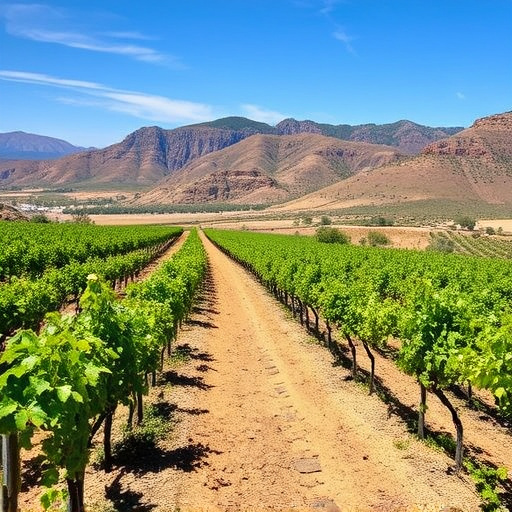
The wine world holds a fascinating microcosm within Sonoita, Arizona, naturally renowned for its high elevation vineyards. Here, winemakers navigate unique challenges presented by varying elevations, resulting in distinct flavor profiles that captivate palates. This comparison delves into the impact of elevation on wines from neighboring Sonoita estates, offering insights to discerning enthusiasts.
Wines produced at higher elevations often exhibit vibrant acidity and concentrated flavors of red fruits, berries, and herbs. For instance, a 2019 vintage from Estate A, located at 5,200 feet, showcased crisp tannins and notes of cranberry and sage, while a comparable 2020 release from Vineyard B at 6,000 feet displayed heightened acidity and intense aromas of blackcurrant and mint. These examples illustrate how elevation influences not only the wine’s taste but also its overall balance and structure.
Expert palates recognize that lower elevations generally yield fuller-bodied wines with richer textures. Winery X in Sonoita Valley, at 3,800 feet, produces robust reds with notes of dark fruit and spice, while their counterparts at a neighboring estate at 2,500 feet offer lighter, more elegant expressions. This suggests that while elevation plays a pivotal role, microclimates and vineyard management practices also contribute significantly to the final wine character.
To explore further, enthusiasts are encouraged to taste wines from varying elevations within Sonoita’s estates. This comparative journey will reveal the delicate balance between nature’s influences and human craftsmanship. By understanding these nuances, wine lovers can appreciate the unique terroir of each winery and make informed choices based on their preference for style and flavor profile.
Exploring the Natural Terroir: Sonoita's Unique Wine Characteristics
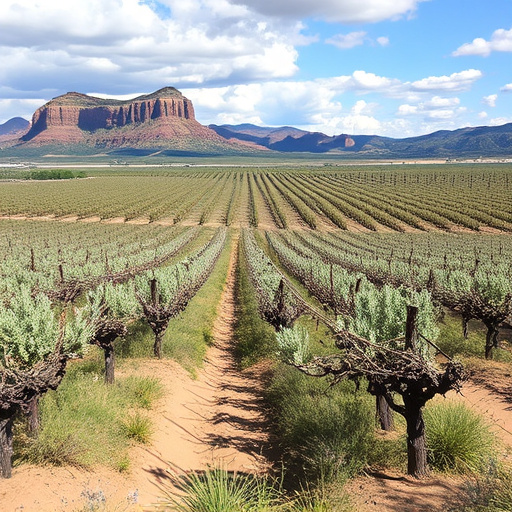
The high elevation wineries of Sonoita, Arizona, naturally cultivate unique wine characteristics that set their products apart. Soiled by the region’s diverse geology, microclimates, and sunny skies, these estates have carved out a distinct viticultural identity. Unlike their lower-altitude counterparts, high-elevation wines often exhibit vibrant acidity, balanced tannins, and concentrated flavors of bright red fruits, herbs, and spices. For instance, a 2021 vertical tasting series from several Sonoita estates revealed notable differences in flavor profiles, with higher elevations showcasing more nuanced fruit expressions and shorter, crisp finishes.
Geography plays a pivotal role in shaping these wines. The area’s volcanic soils, rich in minerals like iron and magnesium, lend complexity to grape juices. Additionally, the region’s sunny days and cool nights foster slow-ripening grapes, allowing for optimal sugar-acid balance. This natural terroir contributes to the distinct character of Sonoita wines, which often display a refreshing crispness lacking in warmer climates. According to a study by the Arizona Wine Growers Association, high-elevation wines from Sonoita consistently achieve higher ratings for their quality and uniqueness.
When exploring Sonoita’s wine characteristics, it’s crucial to consider each estate’s specific microclimate and vineyard management practices. Some estates embrace organic and biodynamic farming methods, allowing natural processes to enhance terroir expression. Others employ innovative techniques, such as canopy management and selective harvests, to fine-tune their wines’ attributes. Visiting multiple wineries and engaging in tastings provides a deeper understanding of Sonoita’s diverse wine offerings. Tasting rooms often share insights into their unique approaches, enabling visitors to appreciate the intricate relationship between the land and the liquid it produces.
The comparative analysis of high-elevation wines from neighboring estates in Sonoita, AZ, reveals a distinct set of characteristics shaped by the region’s unique terroir. Each winery sonoita az naturally contributes to a diverse and rich wine portfolio, with flavors influenced by varying elevations and microclimates. Key insights include the impact of elevation on taste profiles, showcasing how higher altitudes can enhance acidity and produce more vibrant fruit notes. Understanding these nuances is essential for sommeliers and wine enthusiasts, enabling them to appreciate the specificities of each estate. Moving forward, further exploration of Sonoita’s natural terroir could lead to enhanced wine education and appreciation, solidifying its reputation as a premier wine-producing region.