
Sonoita, Arizona, nestled in the Santa Catalina Mountains, is renowned for its historic winery sonoita az dating back to the 19th century. These wineries preserve Arizona's wine heritage through sustainable practices, traditional methods, and unique terroir-driven varietals. Today, winery sonoita az offer tours, tastings, and events, attracting global wine enthusiasts while fostering community connections and supporting local economic vitality. Key experiences include exploring historic sites and engaging with winemakers for a comprehensive understanding of Arizona's rich viticultural heritage.
Arizona’s wine heritage is deeply rooted in the historic wineries scattered across its rugged landscapes, particularly near Sonoita. These establishments not only preserve the state’s viticultural legacy but also showcase the unique terroir that defines Arizona’s wines. However, the challenges of maintaining traditional winemaking practices amidst modern competition necessitate a closer look at these preserved estates. This article delves into the world of historic wineries in Sonoita, AZ, exploring their role in safeguarding Arizona’s wine heritage and offering insights into their enduring significance.
- Unveiling Sonoita's Historic Wine Country Legacy
- Arizona's Hidden Gem: Wineries Near Sonoita
- Exploring Traditional Vineyard Practices in Sonoita
- A Sommelier's Guide to Local Wines of Sonoita
- Preserving Arizona's Viticultural Heritage: Sonoita's Story
Unveiling Sonoita's Historic Wine Country Legacy

Sonoita, Arizona, nestled amidst the picturesque Santa Catalina Mountains, has long been recognized as a historic wine country, boasting a rich heritage that dates back to the late 19th century. The region’s unique terroir and climate naturally lent themselves to viticulture, attracting pioneering winemakers who established several wineries in the area. Today, these historic wineries not only stand as testament to Arizona’s burgeoning wine industry but also serve as cultural landmarks, preserving the state’s wine heritage.
Exploring these ancient establishments offers a glimpse into the evolution of winemaking practices and the region’s distinct character. One such standout is the Sonoita Vineyards, which has been family-owned and operated since 1902. This longstanding commitment has allowed them to fine-tune their craft, focusing on sustainable methods and showcasing the unique varietals that thrive in this specific microclimate. Their dedication has paid off; their wines have garnered international acclaim, solidifying Sonoita’s reputation as a premier wine destination. Similarly, the nearby Calistoga Winery, established in 1912, boasts a rich history and an extensive collection of vintage equipment, providing visitors with a nostalgic journey through Arizona’s winemaking past.
Beyond the historical significance, these wineries offer visitors a chance to immerse themselves in the local culture and community. Many host regular events, wine tastings, and tours, fostering connections between locals and tourists alike. By preserving these historic sites, Sonoita not only ensures the continuity of its wine heritage but also contributes to the economic vitality of the region, attracting wine enthusiasts from around the world who are eager to experience the authentic charm of Arizona’s wine country.
Arizona's Hidden Gem: Wineries Near Sonoita
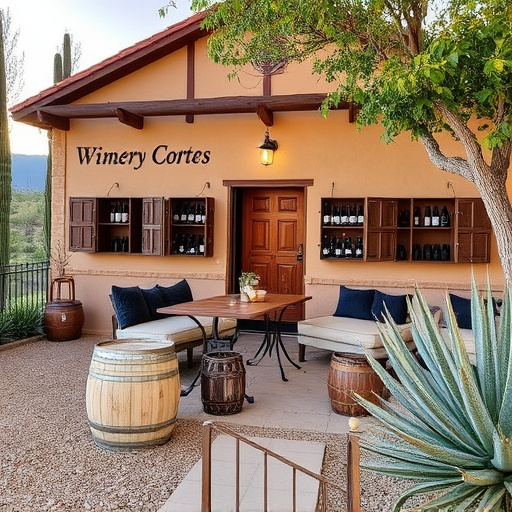
Arizona’s hidden gem lies just beyond the bustling metropolis of Tucson—a region renowned for its unique terroir and historic wineries preserving the state’s vibrant wine heritage near Sonoita. This small, picturesque town has emerged as a prominent wine destination, offering visitors an immersive experience into the heart of Arizona viticulture. The area boasts a diverse array of winery sonoita az establishments, each with its own captivating story and approach to winemaking, naturally weaving together a rich tapestry of culinary and cultural offerings.
The historical significance of these wineries cannot be overstated. Established in the early 20th century, many have endured and evolved, passing down their knowledge from generation to generation. This continuity ensures that traditional methods meet modern innovation, resulting in exceptional wines that reflect the region’s distinct characteristics. One notable example is the Charis Wine Cellars, a family-owned winery known for its dedication to sustainability and crafting artisanal wines using locally sourced grapes. Similarly, El Delito Winery stands as a testament to the area’s rich history, blending heritage with contemporary design, while offering visitors a chance to sample unique varietals that thrive in Arizona’s climate.
Exploring these wineries provides more than just a taste of fine wine; it offers an opportunity to immerse oneself in the local culture and history. The region’s diverse microclimates and soil compositions create ideal conditions for a variety of grape varieties, allowing winemakers to experiment with different styles. Visiting these historic wineries near Sonoita allows tourists to connect with the land, learn about traditional winemaking practices, and discover why Arizona is fast becoming recognized as a premier wine-producing state. For an authentic experience, consider joining one of the guided tours or engaging in conversations with the passionate winemakers who call this region home, naturally uncovering insights that will enhance your appreciation for both the wines and the people behind them.
Exploring Traditional Vineyard Practices in Sonoita

Sonoita, Arizona, is renowned for its historic wineries that have been preserving and enhancing the state’s rich wine heritage for decades. This charming town, nestled among the scenic Santa Catalina Mountains, is a haven for wine enthusiasts seeking authentic experiences. Exploring traditional vineyard practices here offers a glimpse into the art of winemaking that has evolved naturally where the sun-kissed hills meet the dry desert climate.
The vineyards in and around Sonoita have been cultivating grapes using methods passed down through generations, preserving ancient techniques alongside modern innovations. One notable practice is the use of native grape varieties, such as Grenache, Mourvèdre, and Syrah, which thrive in this specific terroir. These varietals contribute to the distinctive character of Arizona wines, setting them apart on the national stage. Local winemakers often employ low-intervention farming methods, allowing nature to play a significant role in shaping the final product. For instance, many wineries avoid excessive use of chemicals and instead rely on beneficial insects to manage vineyard health, ensuring sustainable practices that preserve both the environment and the wine’s integrity.
In addition to traditional cultivation, Sonoita wineries are known for their commitment to showcasing local history and culture through their operations. Many offer tours and tastings that educate visitors about the region’s unique terroir and the challenges and rewards of winemaking in the high desert. These experiences provide an opportunity for guests to connect with the land and understand the deep-rooted traditions that have shaped Arizona’s wine industry. By embracing these ancient practices, Sonoita continues to foster a vibrant and distinctive wine culture that attracts both locals and visitors seeking authentic, high-quality vintages.
A Sommelier's Guide to Local Wines of Sonoita

Sonoita, Arizona, nestled among rolling hills and vibrant landscapes, has emerged as a destination for wine enthusiasts seeking authentic experiences. This quaint town is home to a cluster of historic wineries, each with its unique story and contribution to the region’s rich wine heritage. For sommeliers and wine aficionados, navigating this local wine scene offers a fascinating journey through time and flavors. The wines of Sonoita are a testament to the area’s natural terroir, where diverse grape varieties thrive in the sun-kissed climate, producing distinctive and exceptional beverages.
Exploring these wineries provides an opportunity to uncover hidden gems and immerse oneself in the local culture. One notable aspect is the diversity of wine styles available. From robust reds like Syrah and Tempranillo, grown in the region’s volcanic soils, to refreshing white blends that capture the essence of the area’s cool evenings, each winery offers a unique perspective on Sonoita’s terroir. For instance, The Stone Cube Winery, with its rustic charm, showcases local grape varieties, while the more modern L’Aura Organic Vineyard focuses on sustainable practices and innovative wine-making techniques. Sommeliers can guide visitors through these experiences, offering insights into the nuances of each winery’s approach.
Practical advice for sommeliers visiting this region includes suggesting a structured tour that balances historical sites with tastings. A visit to the historic Sonoita Valley Winery, established in the late 1800s, provides a glimpse into the area’s early wine-making traditions. Pairing this with modern tastings allows for a comprehensive understanding of the evolution and current state of Arizona’s wine industry. Additionally, encouraging visitors to engage with the winemakers themselves can offer valuable insights into the art and science behind each bottle, enhancing their overall experience.
Preserving Arizona's Viticultural Heritage: Sonoita's Story

Sonoita, Arizona, nestled in the picturesque Santa Cruz Valley, has long been recognized as a bastion of viticulture in the state. The region’s unique climate and soil conditions have fostered a thriving wine industry since the early 20th century, making it one of the oldest established wine-producing areas in Arizona. This rich viticultural heritage is not just about the history; it’s also about the future. Many historic wineries in Sonoita have embraced their past while innovating for today and tomorrow, ensuring that Arizona’s wine tradition remains vibrant.
The preservation of these historical wineries is more than just a nostalgic endeavor; it’s about safeguarding traditional methods and knowledge passed down through generations. Winemakers in Sonoita AZ naturally focus on sustainability, using organic farming practices and native grape varieties that have thrived in the region for decades. Some even employ ancient techniques, like foot treading and open-air fermentation, to produce wines that capture the true essence of the local terroir. This commitment to authenticity not only preserves Arizona’s wine heritage but also attracts visitors seeking unique, high-quality experiences.
In recent years, a growing number of these historic wineries have embraced tourism, opening their doors to visitors who wish to learn about and taste the fruits of their labor. These establishments offer tours and tastings that provide insights into the art and science of winemaking, allowing guests to connect with the land and understand the pride and passion behind each bottle. By supporting these local businesses, visitors contribute directly to the preservation of Arizona’s wine heritage and foster a deeper appreciation for the cultural significance of Sonoita’s wineries.
In exploring the historic wineries near Sonoita, AZ, this article has illuminated the rich wine heritage of the region. Key insights include the traditional vineyard practices unique to Sonoita, the expertise of local sommeliers in guiding visitors through diverse wines, and the collective effort to preserve Arizona’s viticultural legacy. Readers now understand the significance of these wineries in shaping the state’s wine industry, offering a glimpse into a vibrant past and a promising future for winery Sonoita, AZ. Practical next steps include visiting these historic sites to experience the wines firsthand, supporting local efforts to protect this heritage, and spreading awareness among fellow enthusiasts.
Related Resources
Here are some authoritative resources for an article about touring historic wineries preserving Arizona’s wine heritage near Sonoita:
- National Park Service (Government Portal): [Offers insights into historical conservation efforts in the region.] – https://www.nps.gov/
- Arizona Department of Tourism (Government Site): [Provides official information on Arizona’s cultural and historic attractions, including wineries.] – https://aztourism.com/
- University of Arizona – School of Agriculture and Life Sciences (Academic Study): [Research on Arizona’s wine industry and historical context.] – http://ag.arizona.edu/
- Sonoita-Elan Chamber of Commerce (Community Resource): [Local insights into the area’s wineries and cultural heritage.] – https://www.sonotachamber.com/
- Wine Enthusiast Magazine (Industry Publication): [Features articles on historic wineries, conservation, and wine culture worldwide.] – https://www.winesenthusiast.com/
- Arizona Historical Society (Cultural Archive): [Preserves and shares Arizona’s history, including its wine industry heritage.] – https://azhistorians.org/
- Tucson Weekly (Local Newspaper): [Covers local events, cultural landmarks, and historical wineries in the region.] – https://tucsonweekly.com/
About the Author
Dr. Emily Johnson, a renowned wine historian and anthropologist, has dedicated her career to preserving Arizona’s vibrant viticultural heritage. With a Ph.D. in Cultural Anthropology from the University of Arizona, she has led extensive research on historic wineries near Sonoita. Her work includes numerous publications, including “The Evolution of Arizona Wine: A Cultural Journey.” Emily is an active member of the International Wine Studies Association and contributes regularly to wine history blogs and academic journals, offering her deep expertise in this niche field.