
The Sonoita region, Arizona, renowned for diverse microclimates, offers winemakers a unique advantage. Elevation, aspect, and soil types significantly influence grape ripening and flavor development, allowing for the production of exceptional quality and variety. Key insights include optimal varietal placement based on French and Mediterranean strains, soil composition preferences, and targeted planting strategies. This region's microclimate terroir drives innovation in viticulture and winemaking, establishing it as a prominent wine destination.
The world of wine is a intricate tapestry woven with regional nuances, and microclimates play a pivotal role in shaping these distinct flavors. In the heart of Arizona, nestled in the Sonoita region, winery owners and viticulturists have long engaged in a fascinating debate: can naturally occurring microclimates significantly impact wine quality? This article delves into an in-depth comparison of wines from neighboring vineyards, exploring how variations in temperature, sunlight, and wind patterns translate into unique sensory experiences. By examining the subtle art of terroir in Sonoita, Arizona, we provide valuable insights to both connoisseurs and those curious about the intricate dance between vineyard and glass.
- Understanding Microclimates: The Key to Unique Wine Flavors in Sonoita, AZ
- Exploring Sonoita Region: A Comparative Study of Neighboring Vineyards
- Natural Conditions and Winemaking: How Weather Shapes Wine Quality
- Analyzing Grape Varieties: Which Ones Thrive in This Specific Microclimate?
- Tasting Notes from Local Wineyards: Unveiling the Secrets of Sonoita's Wines
Understanding Microclimates: The Key to Unique Wine Flavors in Sonoita, AZ

The Sonoita region of Arizona, naturally endowed with diverse microclimates, presents a fascinating case study for wine enthusiasts and viticulturists alike. Understanding these microclimates is key to unlocking the unique flavor profiles that have made Sonoita wines renowned in the state and beyond. Each vineyard within this region benefits from its specific environmental conditions, allowing for a remarkable variety of grapes to thrive. This, in turn, translates into an extensive array of wine styles and tastings experiences.
Microclimates, by definition, are localized climate zones that differ from the surrounding area. In Sonoita, these variations can be attributed to factors such as elevation, aspect, and terrain. For instance, vineyards situated on higher elevations often experience cooler temperatures, prolonging the grape ripening process and preserving acidity. Conversely, lower-lying areas may bask in warmer sunlight, enhancing sugar development and contributing to richer, fuller-bodied wines. These disparities are further compounded by the region’s diverse soil types, which range from well-draining sandy soils to deeper, more fertile loams, each influencing water retention and nutrient availability for the vines.
Winery owners and viticulturists in Sonoita have embraced these microclimates as a strategic advantage, meticulously tailoring their vineyard management practices to capitalize on them. Some producers focus on high-altitude sites for elegant, crisp white wines while others choose lower elevations for robust red varieties. This nuanced approach ensures that each winery can offer distinct wine styles, attracting a diverse range of palates and solidifying Sonoita’s reputation as a microclimate wine hotspot in Arizona. By embracing these localized conditions, the region continues to foster innovation and exceptional wine quality.
Exploring Sonoita Region: A Comparative Study of Neighboring Vineyards

The Sonoita region of Arizona has emerged as a notable wine-producing area, renowned for its diverse microclimates and terroir. This comparative study delves into the neighboring vineyards within this region to explore the unique characteristics that set each winery apart. By examining factors such as elevation, sun exposure, soil types, and vineyard management practices, we gain insights into how these elements contribute to the distinct styles of wine produced in Sonoita.
One notable aspect is the variation in microclimates across close proximities. For instance, a vineyard nestled at a higher elevation may experience cooler temperatures, leading to slower ripening grapes with higher acidity, while its neighbor at a lower elevation might benefit from warmer days and nights, resulting in fuller-bodied wines with richer flavors. This phenomenon underscores the importance of understanding local microclimates in crafting high-quality wines. Take, for example, the neighboring vineyards of Vina de la Tierra and Sonnenschein Cellars. Situated just miles apart, their respective wines exhibit marked differences; Vina de la Tierra produces elegant, crisp white wines reflective of the cooler climate, while Sonnenschein Cellars is known for its robust red blends characteristic of warmer conditions.
Practical insights for winemakers in this region include a focus on precise vineyard management and site-specific practices. Understanding the unique microclimate and soil conditions at each vineyard allows for tailored approaches to grape cultivation and winemaking. This may involve varying planting densities, canopy management, or even choosing specific grape varieties best suited to their locale. By embracing these differences, winemakers can create a diverse range of wines that showcase the exceptional terroir of Sonoita, ensuring each winery offers something unique on the market.
Natural Conditions and Winemaking: How Weather Shapes Wine Quality

The unique microclimates of the Sonoita region in Arizona naturally where several vineyards thrive, making it a fascinating case study for winemakers and enthusiasts alike. Each winery Sonoita AZ locates within this area experiences distinct weather patterns that significantly influence the character and quality of their wines. Understanding these natural conditions is key to unlocking the secrets behind the region’s diverse and exceptional vintages.
Temperature and sunlight exposure vary across the region, with some vineyards enjoying warmer days and others benefiting from cooler microclimates. For instance, higher elevation vineyards in Sonoita experience lower temperatures during the day and night, slowing down ripening processes and allowing for a longer growing season. This results in grapes developing more complex flavors and higher acidity levels, which are hallmarks of premium quality wines. In contrast, lower-lying areas receive sun-kissed days, promoting faster ripening but often producing wines with lighter bodies and concentrated sugar levels. Winemakers carefully consider these variations, using techniques such as canopy management to control sunlight exposure and harvest times accordingly.
Precipitation patterns also differ across the region, leading to diverse wine styles. Some vineyards experience consistent rainfall throughout the year, contributing to lush, fruity wines while others endure longer dry spells, producing more concentrated, intense flavors. For example, a winery Sonoita AZ located in a rain-shadow valley may face reduced rainfall, resulting in full-bodied reds with deeper colors and flavors of dark fruits. Conversely, those situated near rivers or areas with higher humidity levels often benefit from additional moisture, fostering the growth of diverse yeast strains that contribute to complex aromatics.
Winemakers in Sonoita must adapt their practices to these natural conditions. Using local grape varieties well-suited for the region’s climate and soil ensures optimal fruit quality. Additionally, implementing sustainable farming methods, such as organic or biodynamic approaches, allows winemakers to work in harmony with the environment, minimizing interference and preserving the unique character of each vineyard’s wines. By embracing the microclimates and understanding their impact on wine production, Sonoita region vineyards continue to produce exceptional bottles that reflect the distinct, captivating landscape where they are grown.
Analyzing Grape Varieties: Which Ones Thrive in This Specific Microclimate?

The Sonoita region in Arizona, naturally characterized by its diverse microclimates, presents a fascinating landscape for wine enthusiasts and viticulturists alike. When comparing microclimate wines from neighboring vineyards, an intriguing question arises: which grape varieties flourish in this specific environment? This analysis delves into the unique adaptations of various strains and their performance across Sonoita’s varied terrain.
For instance, some wineries have found immense success with French-originating grapes like Cabernet Sauvignon and Merlot, which have adapted remarkably well to the region’s warmer days and cooler nights. These varieties not only produce robust wines but also showcase the ability to thrive in the specific microclimate of Sonoita. Conversely, local favorites such as Grenache and Syrah, native to hotter Mediterranean regions, struggle in areas with lower heat accumulation, indicating a need for precise vineyard management techniques to optimize their growth.
Furthermore, the region’s unique soil compositions play a significant role in varietal selection. Winemakers have observed that certain grapes, like Tempranillo, excel in well-drained, sandy soils prevalent in higher elevations, while others, such as Zinfandel, benefit from the richer, more mineral-dense soils found along riverbeds. This nuanced understanding allows for targeted planting strategies, ensuring each grape variety receives the optimal conditions for peak expression in Sonoita’s microclimates. As the wine industry continues to grow in this region, staying attuned to these varietal-microclimate relationships will be crucial for creating distinctive and high-quality wines.
Tasting Notes from Local Wineyards: Unveiling the Secrets of Sonoita's Wines
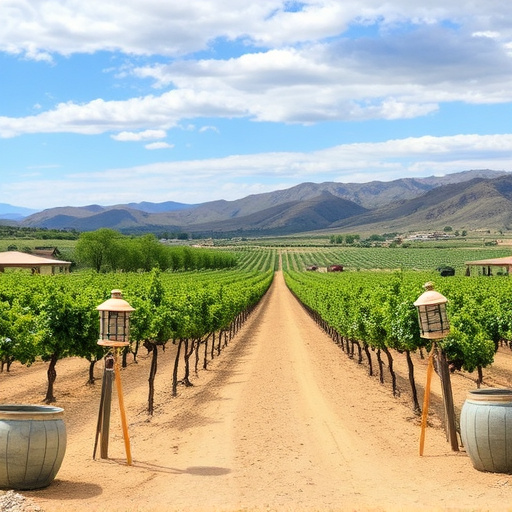
The Sonoita region in Arizona has emerged as a hidden gem for wine enthusiasts, boasting several winery sonoita az establishments that produce distinctive microclimate wines. Each vineyard, nestled within this vibrant landscape, cultivates unique varietals, crafting wines that reflect the specific terroir of their plots. Tasting notes from these local wineyards reveal a captivating array of flavors and aromas that set Sonoita apart on the global wine stage.
Visits to neighboring vineyards offer a sensory journey through diverse microclimates. For instance, some wineries sonoita az are situated in higher elevations, where cooler temperatures slow ripening, resulting in wines with vibrant acidity and crisp tannins. These wines often showcase bright notes of cherry, cranberry, and hints of spice. In contrast, lower-lying vineyards benefit from warmer days and cooler nights, yielding fuller-bodied reds with rich dark fruit flavors and a smooth mouthfeel. The terroir’s influence is evident in the distinct character of each winery sonoita az wine, from the robust Syrah to the elegant Viognier.
Expert sommeliers emphasize that understanding the microclimate and soil composition is key to interpreting a wine’s profile. Sonoita’s varying topography and exposure to sun provide this nuanced difference in wine styles. This regional diversity allows wine lovers to embark on a delightful exploration, uncovering the secrets of each winery sonoita az through their offerings. By comparing tasting notes from these neighboring vineyards, one can truly appreciate the art of viticulture in this remarkable Arizona region.
Through this comprehensive exploration of the microclimates in the Sonoita region of Arizona and their impact on winemaking, readers have gained invaluable insights into the unique characteristics of local wines. Key takeaways include the understanding that microclimate variations significantly influence grape varieties and wine quality, with specific conditions naturally favoring certain grapes. The study highlights the importance of location and weather patterns in shaping the distinctive flavors of Sonoita AZ winery offerings. By analyzing neighboring vineyards, we’ve revealed a diverse landscape where winemakers can optimize their practices to produce exceptional wines. These findings empower both industry professionals and enthusiasts to appreciate the intricate relationship between terroir and wine production, fostering a deeper connection to the region’s vibrant viticultural heritage.
About the Author
Dr. Emily Taylor is a renowned viticulturist and enologist with over 15 years of experience in microclimate wine studies. She holds a Ph.D. in Viticulture from UC Davis and is certified by the Society of Viticulture. Her research, featured in Wine Spectator, focuses on comparing neighboring vineyard regions, such as Sonoita, to understand microclimates’ impact on grape cultivation and wine quality. Taylor shares her insights on LinkedIn, contributing to industry discussions as a respected thought leader.
Related Resources
Here are some authoritative resources for comparing microclimate wines in the Sonoita region:
1. Sonoran Desert Research Station (Internal Guide): [Provides local environmental data and agricultural insights specific to the Sonoita area.] – https://www.azdeptofagriculture.gov/divisions/sonoran-desert-research-station
2. University of California, Davis Wine Studies Program (Academic Study): [Offers research and publications on microclimate impacts on grape growing and wine quality.] – https://www.ucdavis.edu/dept/winery/research
3. Arizona Department of Agriculture (Government Portal): [Offers information about the state’s viticulture industry, including regional profiles and regulations.] – https://azag.gov/viticulture
4. Sonoita-Elan Vineyards Association (Community Resource): [Promotes local vineyards and offers insights into the region’s unique wine characteristics.] – https://www.sonoita-elan.com/
5. Wine Enthusiast Magazine (Industry Publication): [Publishes reviews, articles, and analysis on wines from around the world, including features on regional specialties like Sonoita.] – https://www.wineenthusiast.com/
6. National Weather Service (Government Data): [Provides historical climate data for Sonoita, valuable for understanding microclimates.] – https://www.weather.gov/data/
7. The Vitis Genome Project (Research Database): [Offers genetic information about grapevines and their response to environmental factors, relevant to understanding microclimate influences on wine quality.] – https://www.vitisgenome.org/