
The Sonoita region in Arizona is a premier wine destination known for its diverse microclimates and exceptional terroir. These conditions allow for the cultivation of various grape varieties, resulting in a wide range of wines from bold reds to crisp whites. Winery visitors can explore these unique profiles by engaging with knowledgeable staff and participating in tasting flights at winery Sonoita AZ. The region's microclimates, influenced by neighboring vineyards' practices, guide wine styles reflecting specific locations and techniques, inviting exploration of nature's impact on beverages.
The distinct microclimates of the Sonoita region in Arizona have long captivated wine enthusiasts and viticulturists alike, offering a unique opportunity to compare wines from neighboring vineyards. With each winery sonoita az naturally boasting its own set of conditions—from elevation and aspect to soil composition—it becomes crucial to understand how these factors influence grape cultivation and subsequent wine characteristics. This article delves into an in-depth comparison of microclimate wines from the area, providing valuable insights for both industry professionals and curious consumers. By examining these nuanced differences, we can gain a deeper appreciation for the art of winemaking and the intricate relationship between terroir and taste.
- Unveiling Sonoita's Microclimates: A Wine Lover's Guide
- Comparing Neighboring Vineyard Practices in Sonoita, AZ
- The Art of Terroir: Understanding Wine Quality Variations
Unveiling Sonoita's Microclimates: A Wine Lover's Guide
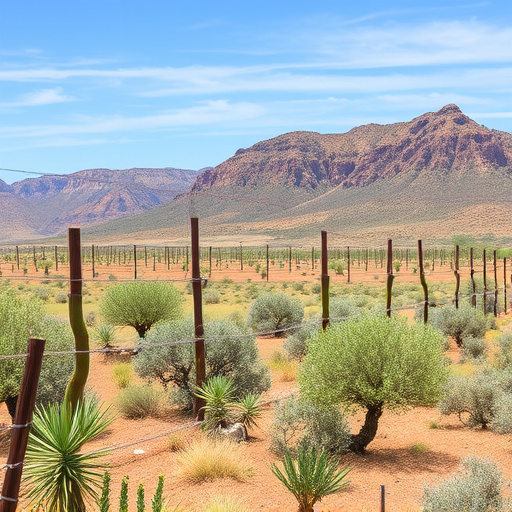
The Sonoita region in Arizona has established itself as a prominent wine-producing area, renowned for its diverse microclimates and exceptional terroir. This unique characteristic sets it apart from other wine regions, offering wine enthusiasts an opportunity to explore a range of styles within relatively close proximity. By understanding the microclimates, visitors can gain a deeper appreciation for the wines produced in this area.
Sonoita’s microclimates vary significantly due to its geographical features and elevation changes. For instance, the valley floor experiences warmer days and cooler nights, creating conditions ideal for grapes like Tempranillo and Grenache, known for their robust flavors. In contrast, higher elevations provide a cooler climate suitable for varieties such as Riesling and Sauvignon Blanc, which offer crisp, refreshing notes. The region’s eastern side benefits from sun-drenched days, fostering the growth of heat-loving grapes like Syrah and Mourvèdre. This variety in microclimates allows multiple wineries in close neighboring regions to produce distinct wines that showcase the area’s versatility.
When visiting Sonoita region vineyards, wine lovers can expect to find a diverse range of offerings. For instance, a winery nestled in the valley might feature bold, fruit-forward reds, while one situated on higher ground could specialize in crisp white wines. This microclimate diversity not only shapes the taste profiles of the wines but also influences their aroma and texture. It encourages wine enthusiasts to explore different parts of the region, uncovering hidden gems and experiencing a spectrum of wine styles that reflect Sonoita’s unique geographical makeup.
To fully appreciate these microclimates, visitors are advised to engage with knowledgeable staff at each winery, who can provide insights into the specific vineyard sites and grape varieties. Tasting flights offer a practical way to compare and contrast these wines, allowing for a more nuanced understanding of how microclimate influences wine quality and character. By embracing this aspect of Sonoita’s wine culture, enthusiasts can elevate their palate experiences and gain invaluable knowledge about one of Arizona’s most celebrated wine regions.
Comparing Neighboring Vineyard Practices in Sonoita, AZ
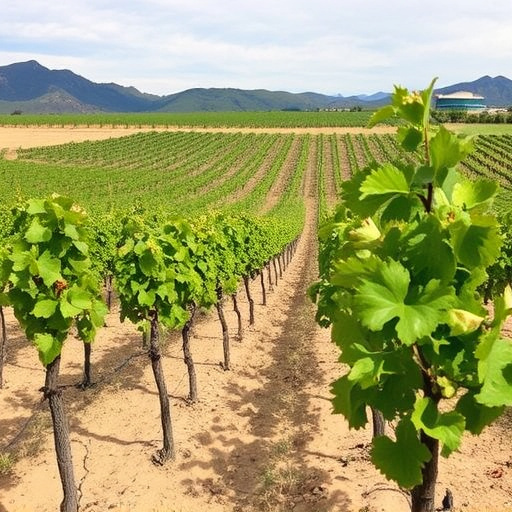
The Sonoita region in Arizona has established itself as a premier wine-producing area, with neighboring vineyards each contributing to the diverse microclimates that shape the unique character of their wines. A close examination of vineyard practices reveals fascinating strategies employed by these nearby establishments, all striving for excellence within their specific environmental conditions.
One notable difference lies in the choice of grape varieties. For instance, some wineries in Sonoita Valley focus on cool-climate grapes like Riesling and Pinot Noir, taking advantage of the region’s gentle morning fogs that create a cooling effect, ideal for these delicate varietals. In contrast, nearby mountainsides host vineyards cultivating heat-loving grapes such as Syrah and Grenache, where sun-drenched days contribute to richer, fuller-bodied wines. This strategic selection reflects an understanding of microclimates and their impact on grape ripening, ultimately influencing the final wine profile.
Additionally, vineyard management techniques vary significantly. Some vineyards practice organic farming methods, minimizing chemical inputs and promoting biodiversity through cover cropping and rotational grazing. These practices not only ensure healthier vines but also contribute to the overall health of the ecosystem, resulting in unique flavor signatures in their wines. In contrast, neighboring conventional vineyards employ precision viticulture, utilizing advanced technology for targeted pesticide applications and efficient water management, allowing them to maintain high yields while minimizing environmental impact.
These differing approaches highlight the intricate relationship between vineyard practices and wine quality. By understanding and adapting to their respective microclimates, each Sonoita winery creates a unique offering that reflects its specific location and practices. This diverse landscape of winemaking styles invites exploration and appreciation of the complex ways in which nature influences our beverages.
The Art of Terroir: Understanding Wine Quality Variations

The Sonoita region in Arizona has established itself as a premier wine-producing area, renowned for its diverse microclimates and unique terroir. Here, winemakers craft wines that showcase the distinct characteristics of each vineyard, making it an ideal case study for understanding the art of terroir. Terroir, a French term meaning “earth,” encompasses the interplay of geography, climate, soil, and vegetation, all of which contribute to the ultimate flavor profile of grapes and subsequent wines. By examining microclimates within neighboring Sonoita region vineyards, we gain valuable insights into how these factors influence wine quality and style variations.
Each winery in Sonoita benefits from a specific microclimate that shapes the grapes they grow. For instance, some vineyards enjoy ample sunlight exposure on south-facing slopes, leading to warmer temperatures and riper fruits. In contrast, north-facing hillsides receive more shade, resulting in cooler conditions that slow down grape ripening, allowing for higher acidity levels. Moreover, variations in elevation create distinct temperature differentials during the day and night, further contributing to unique flavor development. Data from the Arizona Department of Agriculture shows that even nearby vineyards can exhibit significant temperature differences, with some recording as much as 10°F (5.5°C) variation between sun-kissed peaks and shaded valleys. These microclimatic variations translate into a diverse range of wine styles, from vibrant, fruit-forward reds to crisp, refreshing white wines.
Winemakers in the Sonoita region have mastered the art of adapting their practices to these subtle yet significant terroir differences. They carefully select grape varieties suited to specific microclimates, employ precision viticulture techniques, and implement unique winemaking methods. For example, some producers may choose to ferment red grapes in smaller batches to preserve delicate aromatics, while others might opt for whole-cluster ferments to capture the vibrant fruit characteristics of their vineyard. As a result, wines from neighboring Sonoita region vineyards can display remarkable diversity and complexity, all stemming from the nuanced interplay of their unique terroirs.
To fully appreciate the impact of terroir on wine quality, wine enthusiasts are encouraged to explore these diverse offerings. Visiting multiple wineries in Sonoita allows one to taste firsthand how microclimates shape wines, fostering a deeper understanding and appreciation for this intricate relationship between land and grape. By embracing the art of terroir, winemakers in Sonoita continue to elevate their craft, ensuring that each bottle tells a unique story of its origins, both in terms of the vineyard it comes from and the intricate dance of nature that brought it to your glass.
By exploring the diverse microclimates of Sonoita, AZ, wine enthusiasts gain a profound understanding of the region’s terroir. This article has revealed how neighboring vineyards in Sonoita navigate these unique conditions, showcasing practices that highlight the natural variations in temperature, sunlight, and rainfall. Key insights include the critical role of elevation in shaping microclimate, influencing grape ripeness and flavor profiles. Additionally, we’ve seen how different vineyard management techniques, such as row coverage and canopy management, further refine wine quality. Understanding these factors empowers both winemakers and consumers to appreciate the indelible character each bottle from Sonoita brings, naturally reflecting the region’s distinct terroir.

